 فا
فا
 EN
EN
 AR
AR
 CN
CN

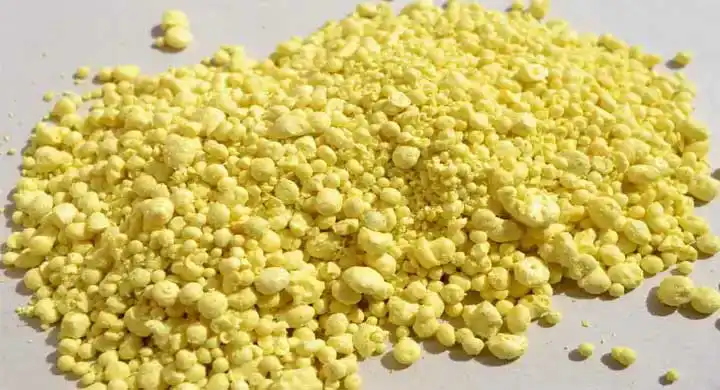
Sulfur
- 414
Sulfur: Applications, Features, and Commercial Importance
Sulfur is one of the most essential chemical elements used across agriculture, energy, and various industrial sectors. This bright yellow non-metal plays a vital role in the production of fertilizers, sulfuric acid, detergents, plastics, and other chemical products. Due to its high reactivity, abundance, and cost-effectiveness, sulfur is considered a strategic raw material with strong global demand and commercial value.
Key Features of Sulfur
-
High Purity and Chemical Stability: Ideal for industrial and chemical use
-
High Reactivity: A key raw material for producing sulfuric acid and sulfate compounds
-
Natural Antifungal and Pest Control Properties: Widely used in agriculture and horticulture
-
Economical and Readily Available: Cost-effective for domestic and export markets
Applications of Sulfur
1. Agriculture
-
Used as a soil conditioner and sulfur fertilizer
-
Improves nutrient absorption, especially phosphorus and nitrogen
-
Effective in fungal disease and pest control for crops and orchards
2. Industrial and Chemical Uses
-
Sulfuric Acid Production: The most significant industrial use of sulfur
-
Utilized in fertilizer, detergent, plastic, rubber, and battery manufacturing
-
Applied in oil and gas refining to remove sulfur compounds and improve fuel quality
Economic and Commercial Importance
Sulfur plays a key role in the global chemical and energy industries. Its increasing demand in fertilizer production, refining, and manufacturing makes it a highly valuable commodity. Sulfur is also a major byproduct of petroleum refining and natural gas processing, offering strong export opportunities for countries with developed energy sectors.